
- Psychology
- Is It More Than Moodiness? 10 Signs of ADHD, Narcolepsy, and Childhood Depression
- This article identifies ten common signs that may indicate ADHD, narcolepsy, or childhood depression. Aimed at parents, caregivers, and educators, it explains behaviors to watch for, emphasizes the importance of early recognition, and offers encouragement
Introduction
Not every restless day, sleepy afternoon, or withdrawn moment means a child has a clinical condition. Still, consistent patterns of certain behaviors can be important clues. Whether you're worried about attention difficulties, unexplained daytime sleepiness, or a persistent low mood, understanding the most common signs helps you notice when to seek professional evaluation. This article outlines ten signs linked to ADHD (attention-deficit/hyperactivity disorder), narcolepsy, and childhood depression, and offers hope: early recognition and compassionate support can make a meaningful difference.
ADHD — Four Key Signs
1. Persistent inattention: The child frequently seems to miss details, struggles to finish tasks, and seems easily distracted even in calm settings. This goes beyond occasional daydreaming and affects schoolwork or play regularly.

2. Hyperactivity and fidgeting: Constant movement, difficulty staying seated, or an inability to play quietly may indicate hyperactivity. Younger children often show it as running or climbing at inappropriate times; older children may describe an inner restlessness.
3. Impulsivity: Acting without thinking—blurting out answers, interrupting others, or taking risks without regard for safety—can be a red flag when it’s frequent and causes social or academic problems.
4. Executive function struggles: Problems planning, organizing, remembering instructions, or managing time can look like laziness but often stem from brain-based difficulties in regulation and planning.
Narcolepsy — Three Hallmark Signs
5. Excessive daytime sleepiness: A child with narcolepsy may fall asleep unexpectedly during quiet activities (reading, watching TV, or even in class). This isn't simply being tired from a late night; it’s an overwhelming, recurring need to sleep that interferes with daily life.
6. Cataplexy-like episodes or sudden muscle weakness: Some children experience brief episodes of muscle weakness triggered by strong emotions (laughter, surprise). These can range from mild drooping of the eyelids to more noticeable limpness.
7. Disturbed nighttime sleep and vivid dreams: Paradoxically, many children with narcolepsy have fragmented night sleep, vivid dreams, or sleep hallucinations, which can add confusion about the cause of daytime sleepiness.
Childhood Depression — Three Significant Signs
8. Persistent low mood or irritability: In children, depression may present more often as irritability than overt sadness. If a child seems frequently down, tearful, or easily angered for weeks at a time, it warrants attention.
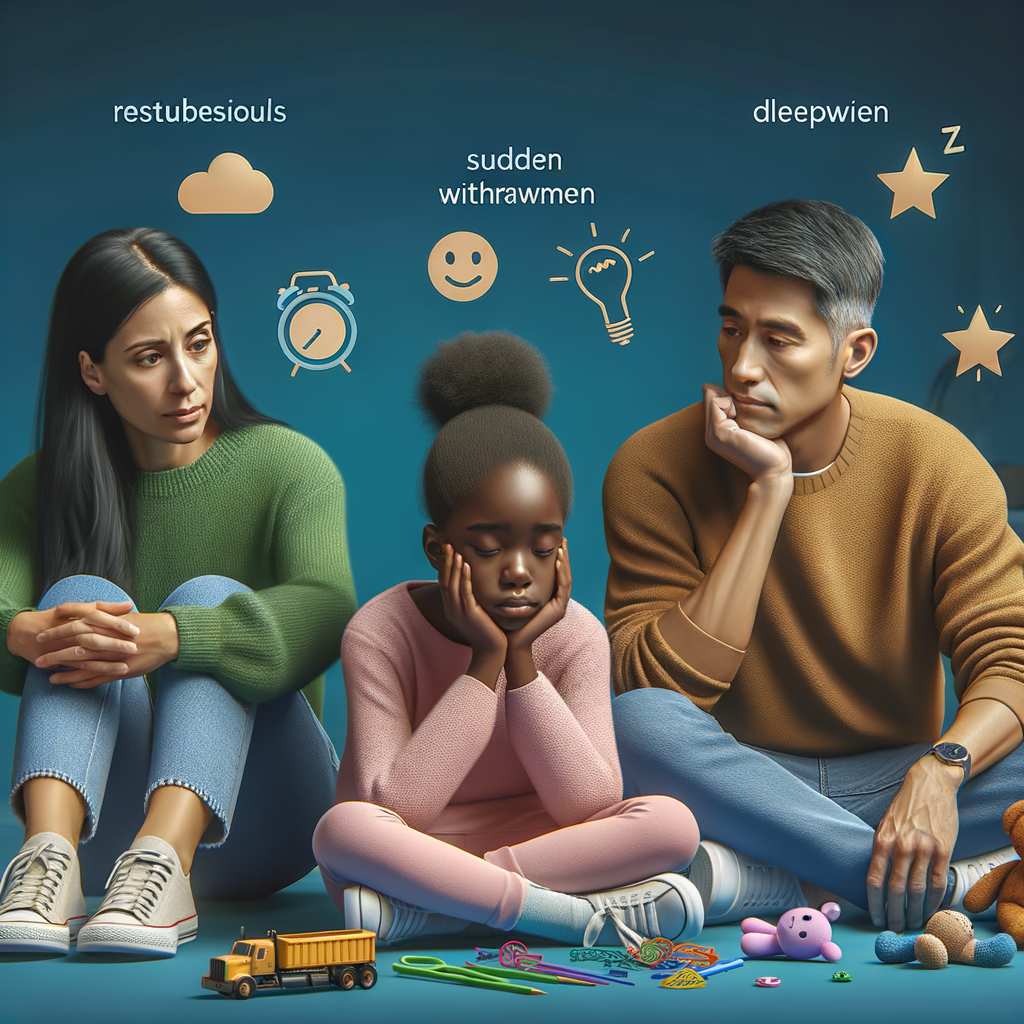
9. Loss of interest and social withdrawal: A marked drop in interest to play, go to activities, or engage with friends—especially when combined with reduced academic motivation—can signal depression rather than normal shifting interests.
10. Changes in appetite, sleep, or energy, and expressions of worthlessness: Noticeable weight change, insomnia or oversleeping, chronic fatigue, or negative self-talk (e.g., feeling hopeless or worthless) are serious signs. Any talk about death or self-harm requires immediate professional attention.
How to Respond: Practical Steps and Gentle Care
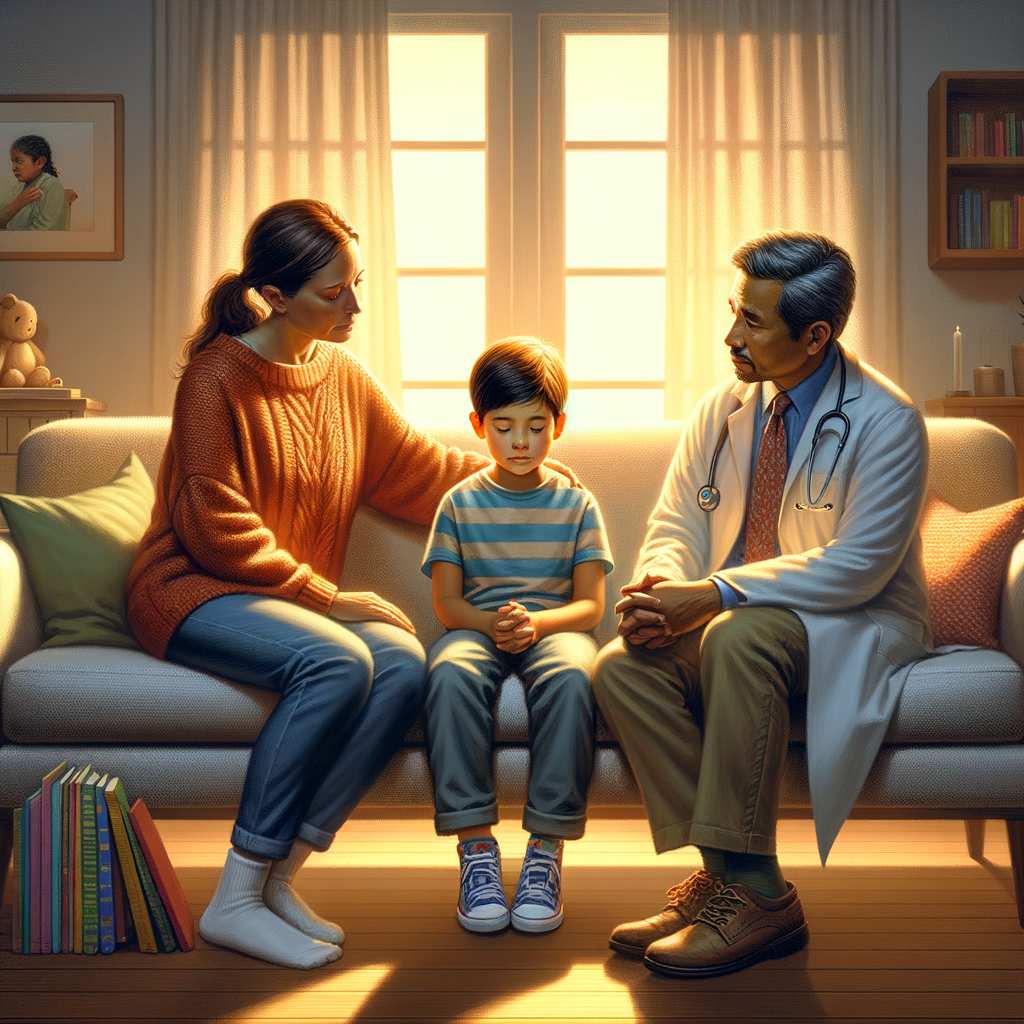
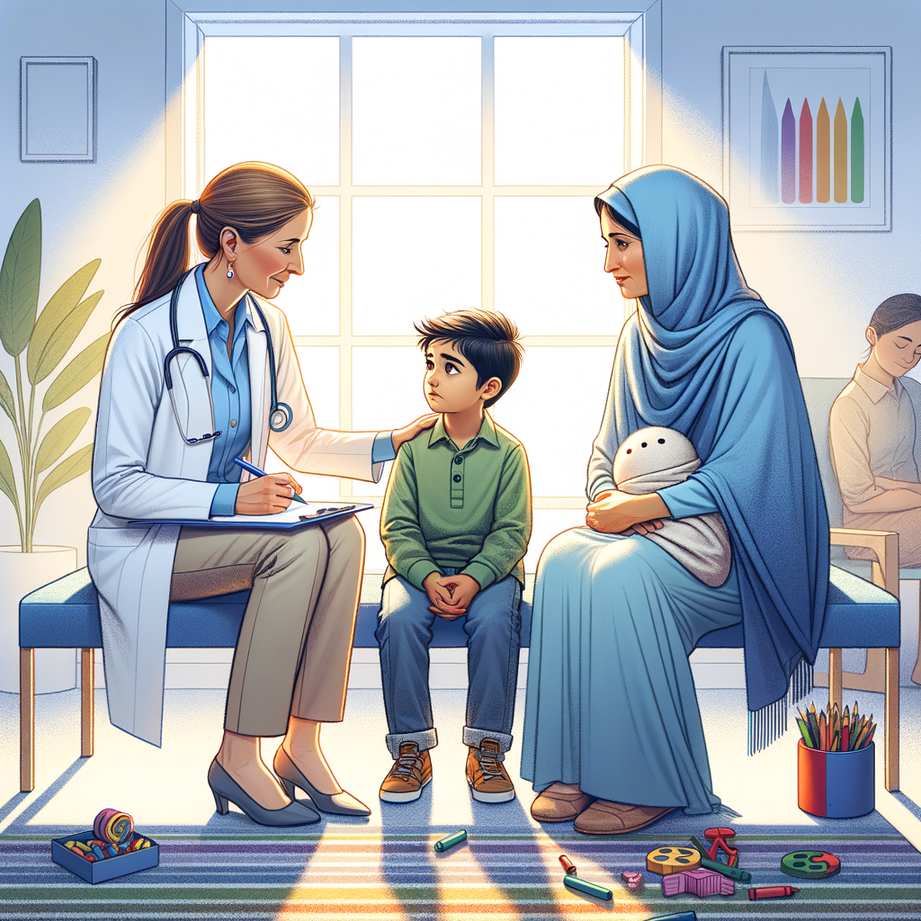
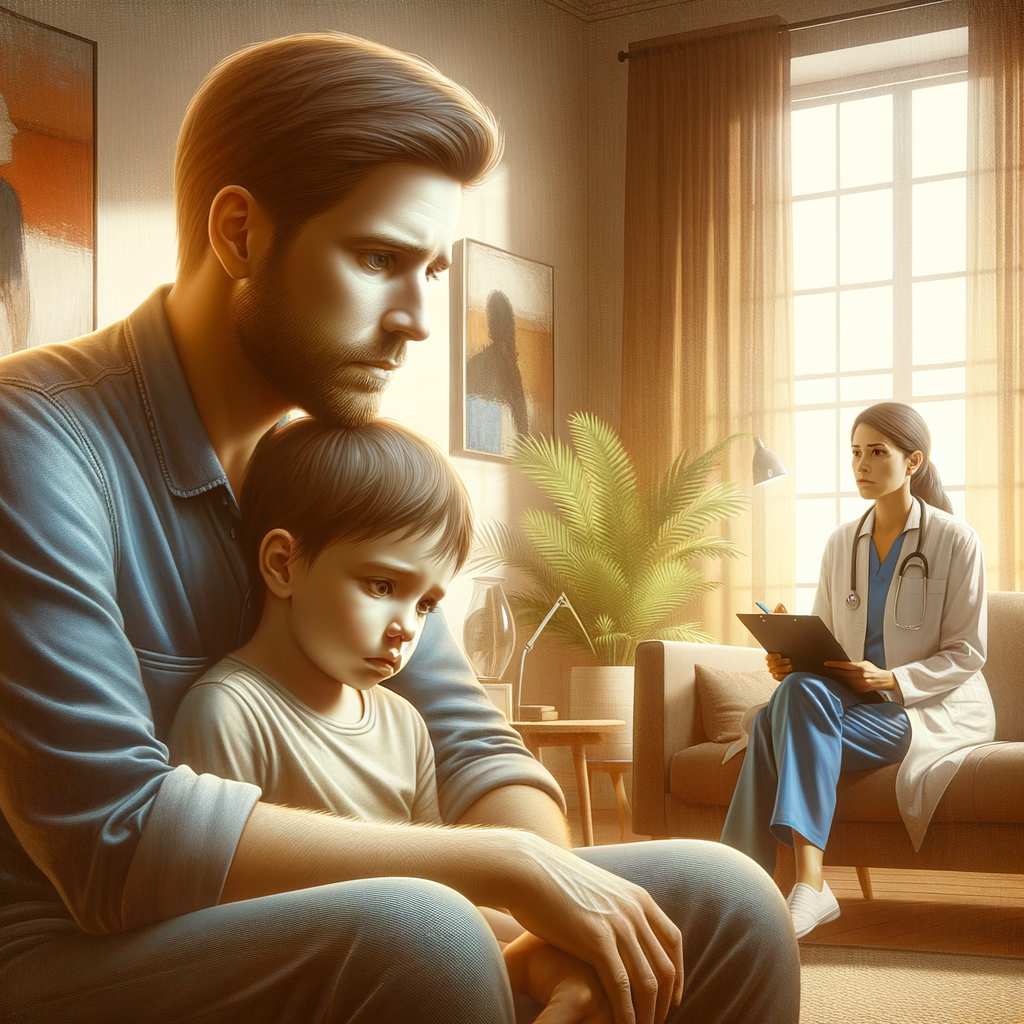
Spotting one sign doesn’t mean a diagnosis. What matters is persistence, severity, and impact on a child’s daily life. If you observe several of these signs consistently over weeks or if behavior causes distress or impairment, reach out to a pediatrician, child psychologist, or school counselor. Early assessment can identify medical, developmental, or emotional contributors and point to effective supports.
Begin with compassionate conversations: listen without judgment, validate feelings, and avoid labels. Keep a simple log of behaviors (what, when, duration) to share with professionals. At school, request a meeting with teachers to discuss observations and possible accommodations. For sleep-related concerns, a pediatric sleep specialist may be recommended.
Hope, Treatment, and Self-Care
Many children grow and respond well to interventions. ADHD can be managed with behavioral strategies, educational supports, and sometimes medication. Narcolepsy benefits from sleep-focused treatments and lifestyle adjustments. Childhood depression often improves with therapy, family support, and, when appropriate, medication—combined with changes that increase safety and routine.
As a caregiver, prioritize your own well-being. Parenting a child with behavioral or medical needs can feel isolating and exhausting. Seek support groups, trusted family members, or professional guidance. Small routines—consistent sleep schedules, regular meals, predictable transitions, and calm time—help children feel safer and more regulated.
Final Thoughts
Recognizing the signs is the first courageous step toward helping a child thrive. You don’t have to have all the answers—healthcare providers, educators, and community resources can partner with you. Trust your instincts, act with kindness, and remember that seeking help is a hopeful, powerful decision. With attentive care and appropriate supports, many children can improve significantly and build resilience for the future.
Advertisement
Read this next
-

- Psychology
- Hidden Signals: 10 Signs That ADHD, Narcolepsy, or Childhood Depression May Be Present
- Psychology; This article explains ten common signs that may indicate ADHD (attention-deficit/hyperactivity disorder), narcolepsy, or childhood depression. Written for parents, teachers, and caregivers, it clarifies overlapping symptoms, highlights when to
-
- Psychology
- Hidden Signals: 10 Red Flags for ADHD, Narcolepsy, and Childhood Depression
- Category: Psychology. This article outlines the top ten warning signs for three often-misunderstood childhood conditions—ADHD, narcolepsy, and childhood depression—offering clear, practical descriptions, compassionate guidance, and encouragement to seek p
-
- Psychology
- Hidden Signals: 10 Early Signs of ADHD, Narcolepsy, and Childhood Depression Every Caregiver Should Know
- This article outlines ten early warning signs that may point to attention-deficit/hyperactivity disorder (ADHD), narcolepsy, or childhood depression. Written for caregivers and educators, it explains observable behaviors, clarifies common misconceptions,
-
- Psychology
- Is It More Than Moodiness? 10 Signs of ADHD, Narcolepsy, and Childhood Depression
- This article identifies ten common signs that may indicate ADHD, narcolepsy, or childhood depression. Aimed at parents, caregivers, and educators, it explains behaviors to watch for, emphasizes the importance of early recognition, and offers encouragement


Advertisement
Related Article
-
- Psychology
- Attention, Sleep, Mood: 10 Telltale Signs of ADHD, Narcolepsy, and Childhood Depression
-
- Psychology
- Hidden Signals: 10 Signs of ADHD, Narcolepsy, and Childhood Depression You Shouldn't Ignore
-
- Psychology
- When Minds Wander and Hearts Withdraw: 10 Signs of ADHD, Narcolepsy, and Childhood Depression
-
- Psychology
- Quiet Signals: 10 Early Signs of ADHD, Narcolepsy, and Depression in Children
-
- Psychology
- Spotting Signals: 10 Key Signs of ADHD, Narcolepsy, and Childhood Depression
-
- Psychology
- When Restlessness, Sleepiness or Sadness Hide: 10 Signs of ADHD, Narcolepsy & Childhood Depression




Advertisement