
- Psychology
- When Minds Wander and Hearts Withdraw: 10 Signs of ADHD, Narcolepsy, and Childhood Depression
- This article outlines ten common signs each of Attention-Deficit/Hyperactivity Disorder (ADHD), narcolepsy, and childhood depression. It helps caregivers and educators recognize early indicators, emphasizes the importance of professional assessment, and o
When Minds Wander and Hearts Withdraw: 10 Signs of ADHD, Narcolepsy, and Childhood Depression
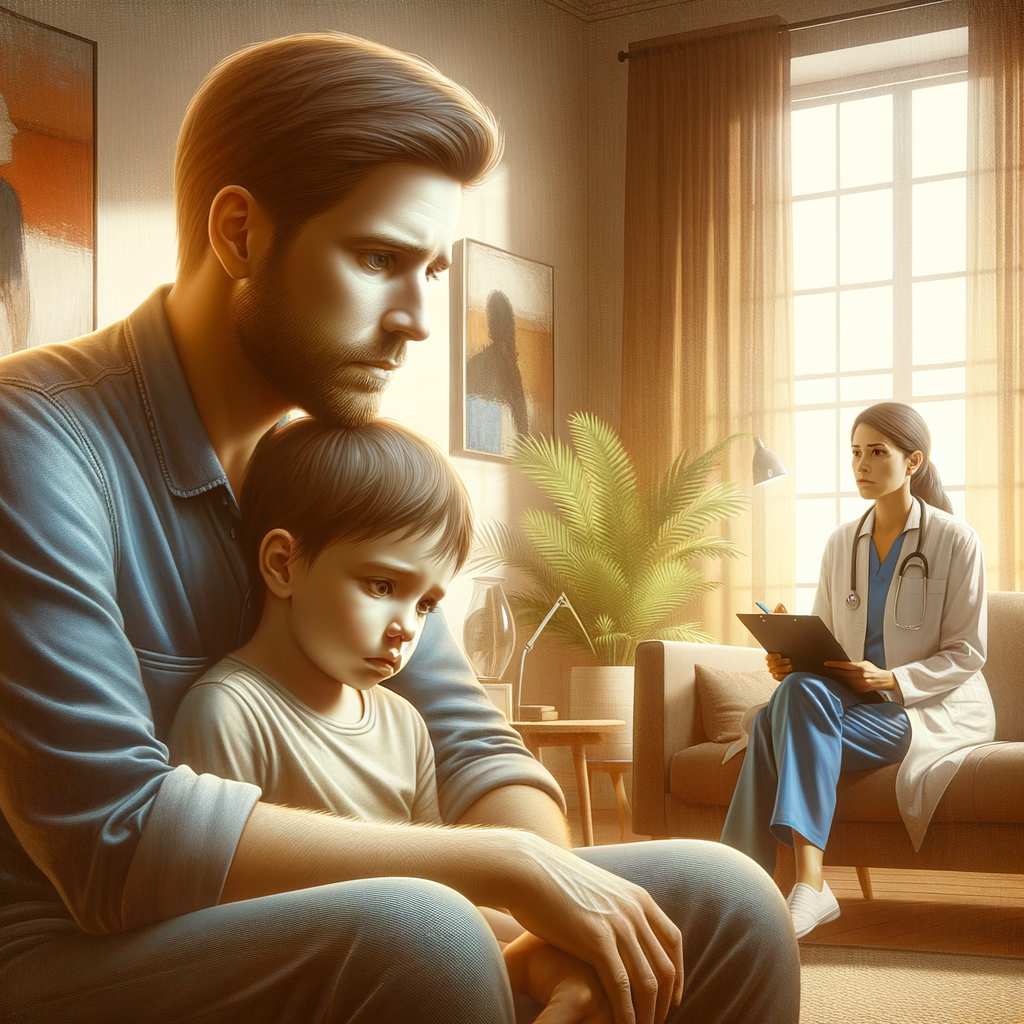
Every child is unique, and behavior that worries us sometimes turns out to be a phase. Still, some patterns deserve attention because early recognition and support can change trajectories. Below are ten common signs for three conditions—ADHD, narcolepsy, and childhood depression—to help parents, teachers, and caregivers notice when professional evaluation may be helpful. This guide aims to inform and encourage: noticing something isn’t the same as labeling it forever. Reach out, ask questions, and practice gentle self-care for both the child and yourself.
ADHD: Ten Signs to Watch For
1. Difficulty sustaining attention: The child frequently loses focus during tasks, homework, or conversations and seems easily distracted.
2. Frequent careless mistakes: Schoolwork or chores show errors that aren’t consistent with ability, often due to inattention.
3. Avoidance of tasks requiring sustained mental effort: The child resists homework or activities that need concentration.
4. Seeming not to listen: Even when spoken to directly, the child may appear to be elsewhere or forget instructions.
5. Poor organizational skills: Trouble managing time, keeping belongings, or following multi-step directions is common.
6. Fidgeting and restlessness: Constant movement, tapping, or inability to sit still for age-appropriate periods.
7. Excessive talking: The child talks a lot, sometimes interrupting or speaking out of turn in class.
8. Impulsivity: Acting without thinking—blurting answers, difficulty waiting one’s turn, or risky behaviors.
9. Emotional dysregulation: Quick frustration, irritability, or strong emotional reactions that feel out of proportion.
10. Academic inconsistency: Fluctuating performance—capable of good work but often underachieving due to attention or behavioral struggles.
Narcolepsy: Ten Signs to Watch For

1. Excessive daytime sleepiness: Persistent, overwhelming sleepiness during the day not explained by poor nighttime sleep.
2. Sudden sleep attacks: Falling asleep unintentionally during activities—while reading, in class, or during conversations.
3. Cataplexy (sudden muscle weakness): Brief loss of muscle tone triggered by strong emotions like laughter or surprise (may be subtle in children).
4. Sleep fragmentation at night: Frequent awakenings, vivid dreams, or restless sleep that leaves the child tired in the morning.
5. Sleep paralysis: Brief inability to move or speak when falling asleep or waking, sometimes frightening to report.
6. Hypnagogic or hypnopompic hallucinations: Vivid, dreamlike images at sleep onset or upon waking that can seem real.
7. Difficulty concentrating: Daytime sleepiness leads to attention problems, making schoolwork harder.
8. Rapid mood changes: Sleepiness and disrupted sleep can bring irritability, low mood, or emotional swings.
9. Decline in academic performance: Falling grades or missed assignments due to sleepiness and fatigue.
10. Weight changes: Some children with narcolepsy experience weight gain or appetite changes, sometimes tied to metabolic shifts.
Childhood Depression: Ten Signs to Watch For
1. Persistent sadness or irritability: A low or irritable mood most of the day, nearly every day, for weeks.
2. Loss of interest: Less enjoyment in play, hobbies, or activities that used to be fun.
3. Changes in sleep: Insomnia, early waking, or sleeping much more than usual (distinct from narcolepsy’s pattern).
4. Appetite or weight changes: Noticeable increase or decrease in eating or body weight.
5. Fatigue or low energy: The child seems constantly tired, sluggish, or lacking motivation.
6. Difficulty concentrating or making decisions: School performance drops because of trouble focusing.
7. Social withdrawal: Pulling away from friends or family, preferring to be alone more often.
8. Decline in school performance: Grades fall or attendance drops without a clear academic reason.
9. Frequent physical complaints: Headaches, stomachaches, or other somatic symptoms that lack a medical cause.
10. Talk of hopelessness or thoughts of self-harm: Verbal hints of wanting to disappear or harm themselves require immediate professional attention.
What to do if you notice these signs: Observe patterns across settings (home, school, social activities) and over time rather than reacting to a single incident. Document when behaviors occur, what precedes them, and how long they’ve lasted. Start conversations with gentle curiosity—ask the child how they feel and listen without judgment. Share observations with teachers and pediatricians; primary care providers can often initiate screening, and referrals to child psychologists, psychiatrists, or sleep specialists may be appropriate.
Remember: signs do not equal a definitive diagnosis. Many factors—stress, changes at home, medical conditions, or normal developmental phases—can mimic these symptoms. A thorough evaluation by professionals, often including behavioral history, questionnaires, and sometimes sleep studies or medical tests, helps clarify the picture.
Hope and help are real. Early intervention, tailored therapies (behavioral strategies, educational supports, sleep hygiene, medication when indicated), and family involvement can lead to meaningful improvements. Caregivers deserve support too: seek guidance, connect with other families, and prioritize self-care so you have the energy to support your child.
If you’re worried a child may be at risk of harm to themselves or others, seek immediate help through emergency services or crisis lines. Otherwise, start with a trusted pediatrician or school counselor and ask for referrals to specialists. Small steps—open conversations, consistent routines, good sleep habits, and professional assessment—can open pathways to growth, resilience, and brighter days.
Being attentive is an act of care. With compassion, information, and timely help, many children learn to manage symptoms, build strengths, and thrive. You are not alone in this journey, and asking for help is a brave, important first step.
Advertisement
Read this next
-

- Psychology
- Hidden Signals: 10 Signs That ADHD, Narcolepsy, or Childhood Depression May Be Present
- Psychology; This article explains ten common signs that may indicate ADHD (attention-deficit/hyperactivity disorder), narcolepsy, or childhood depression. Written for parents, teachers, and caregivers, it clarifies overlapping symptoms, highlights when to
-
- Psychology
- Hidden Signals: 10 Red Flags for ADHD, Narcolepsy, and Childhood Depression
- Category: Psychology. This article outlines the top ten warning signs for three often-misunderstood childhood conditions—ADHD, narcolepsy, and childhood depression—offering clear, practical descriptions, compassionate guidance, and encouragement to seek p
-
- Psychology
- Hidden Signals: 10 Early Signs of ADHD, Narcolepsy, and Childhood Depression Every Caregiver Should Know
- This article outlines ten early warning signs that may point to attention-deficit/hyperactivity disorder (ADHD), narcolepsy, or childhood depression. Written for caregivers and educators, it explains observable behaviors, clarifies common misconceptions,
-
- Psychology
- Is It More Than Moodiness? 10 Signs of ADHD, Narcolepsy, and Childhood Depression
- This article identifies ten common signs that may indicate ADHD, narcolepsy, or childhood depression. Aimed at parents, caregivers, and educators, it explains behaviors to watch for, emphasizes the importance of early recognition, and offers encouragement




Advertisement
Related Article
-
- Psychology
- Attention, Sleep, Mood: 10 Telltale Signs of ADHD, Narcolepsy, and Childhood Depression
-
- Psychology
- Hidden Signals: 10 Signs of ADHD, Narcolepsy, and Childhood Depression You Shouldn't Ignore
-
- Psychology
- When Minds Wander and Hearts Withdraw: 10 Signs of ADHD, Narcolepsy, and Childhood Depression
-
- Psychology
- Quiet Signals: 10 Early Signs of ADHD, Narcolepsy, and Depression in Children
-
- Psychology
- Spotting Signals: 10 Key Signs of ADHD, Narcolepsy, and Childhood Depression
-
- Psychology
- When Restlessness, Sleepiness or Sadness Hide: 10 Signs of ADHD, Narcolepsy & Childhood Depression





Advertisement