
- Psychology
- Hidden Signals: 10 Signs of ADHD, Narcolepsy, and Childhood Depression You Shouldn't Ignore
- Category: Psychology. This article outlines ten common signs that may indicate ADHD, narcolepsy, or childhood depression in young people. It explains what these signs can look like in daily life, emphasizes that symptoms are cues rather than definitive di
Hidden Signals: 10 Signs of ADHD, Narcolepsy, and Childhood Depression You Shouldn't Ignore
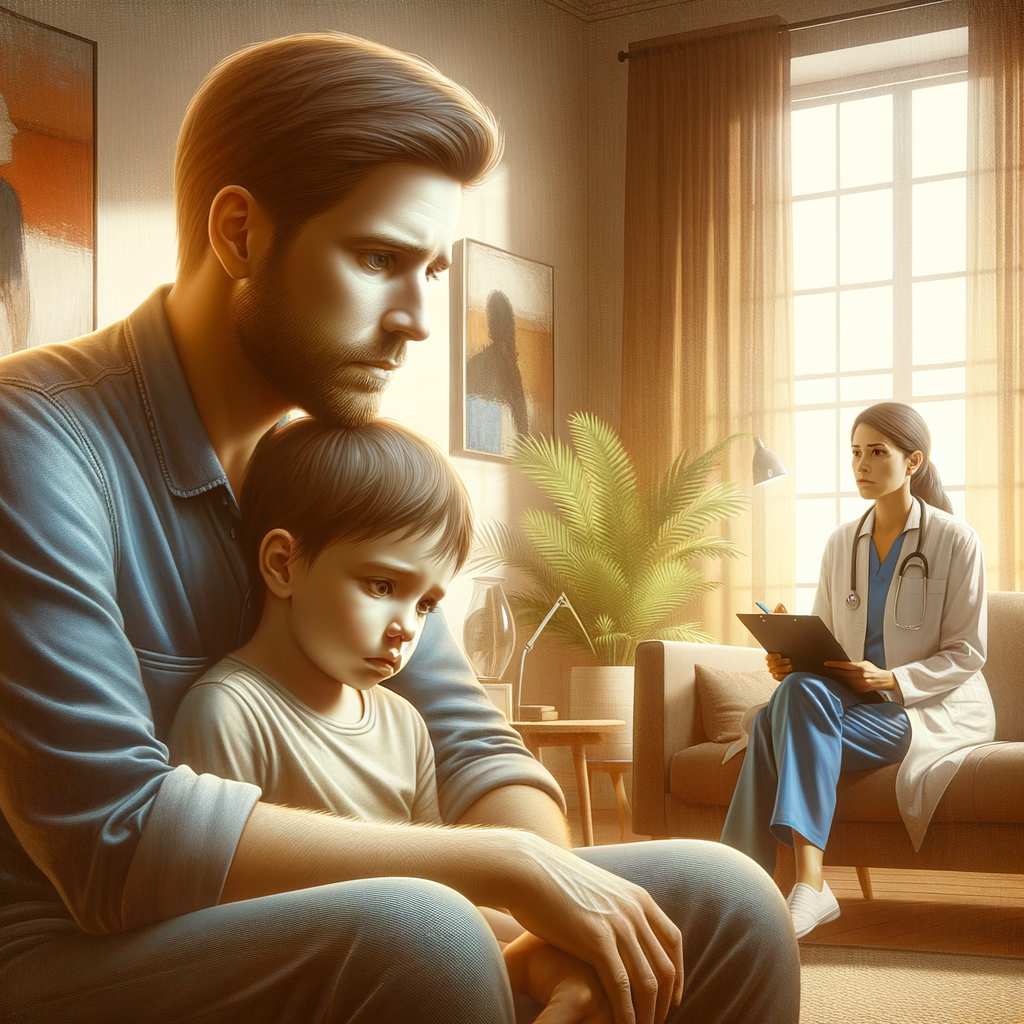
Children and adolescents communicate their struggles in many ways — through behavior, mood, energy, and performance. Some patterns point toward conditions that are common but often misunderstood: attention-deficit/hyperactivity disorder (ADHD), narcolepsy, and childhood depression. Recognizing early signs can help families and professionals take timely steps toward diagnosis, support, and healing. Below are ten signs to watch for, what they might mean, and how to respond with care and hope.
Important note: a single sign does not equal a diagnosis. These observations are invitations to pay closer attention and to consult a pediatrician, child psychologist, psychiatrist, or sleep specialist when concerns persist.
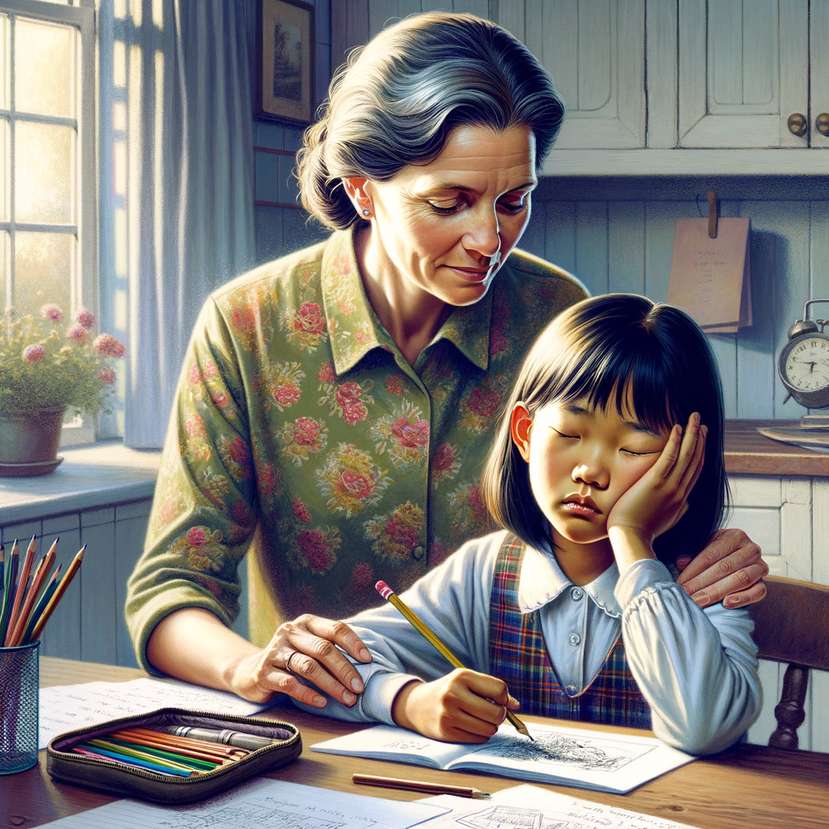
1. Frequent, persistent inattention: A child who consistently has trouble finishing tasks, misses details in schoolwork, or seems to daydream during conversations may be showing a hallmark sign of attention difficulties. In ADHD, this inattention affects daily functioning across settings — at home, school, and social situations. Look for patterns over weeks to months rather than occasional lapses.
2. Restlessness, fidgeting, and difficulty sitting still: Some children have internal or external restlessness that makes quiet activities challenging. They may tap, fidget, get up frequently, or seem unable to remain seated when expected. While many kids are naturally active, persistent hyperactive behavior that disrupts learning or relationships warrants evaluation.
3. Impulsivity and acting without thinking: Interrupting conversations, blurting answers, taking risks without considering consequences, or repeatedly making choices that lead to trouble can be signs of impulsivity. This pattern can be a part of ADHD and often causes the child distress or peer problems, even when they mean well.
4. Organization and executive function struggles: Missing homework, losing belongings, poor time management, and difficulty following multi-step instructions suggest challenges with executive function. These problems can co-occur with ADHD and make school life overwhelmingly difficult for a child who otherwise wants to do well.
5. Excessive daytime sleepiness and persistent napping: Narcolepsy typically presents with overwhelming daytime sleepiness that is not relieved by normal amounts of sleep. A child who seems to fall asleep unexpectedly during class, at play, or mid-conversation should prompt consideration of a sleep disorder, especially if nighttime sleep does not restore daytime alertness.
6. Sudden sleep attacks or muscle weakness with emotion: One of the more specific signs of narcolepsy is sudden and uncontrollable sleep episodes or cataplexy — brief episodes of muscle weakness triggered by strong emotions like laughter or surprise. If a child has abrupt drops in muscle tone, collapses into slumped postures, or experiences short, unpreventable naps, seek a sleep specialist evaluation.
7. Disrupted nighttime sleep, vivid dreams, or sleep paralysis: Narcolepsy can be accompanied by fragmented nighttime sleep, vivid dream-like hallucinations while falling asleep or waking, and transient inability to move upon waking or falling asleep. These symptoms can be frightening and are important to discuss with a clinician who understands pediatric sleep disorders.
8. Persistent sadness, hopelessness, or irritability: Childhood depression often looks different than adult depression. Younger children may show persistent sadness or frequent irritability, clinginess, frequent crying, or complaints of stomachaches and headaches without a clear medical cause. A pervasive low mood that lasts most of the day and most days for weeks is a red flag.
9. Withdrawal, loss of interest, or decline in school performance: When a child loses interest in favorite activities, withdraws from friends, avoids play, or shows a clear drop in academic performance despite effort, it can indicate depression. Pay attention when these changes are accompanied by changes in sleep, appetite, or energy.
10. Changes in appetite, sleep, or talk of self-harm: Significant shifts in eating or sleeping patterns, frequent complaints of fatigue, unexplained weight changes, or expressions of hopelessness or wishing to be gone require immediate attention. Any talk of self-harm or suicide should be treated as an emergency; contact a mental health professional, crisis line, or emergency services right away.
What to do if you notice these signs: start with empathy. Speak to the child calmly and nonjudgmentally, noting specific behaviors you’ve observed. Keep a brief log of when and where symptoms occur to share with professionals. Reach out to the child’s pediatrician for initial assessment and referrals to specialists — a child psychologist or psychiatrist, or a sleep medicine clinic if narcolepsy is suspected.
Intervention and support can be deeply effective. For ADHD, evidence-based approaches include behavioral strategies, school-based accommodations, parent training, and, where appropriate, medication. For narcolepsy, sleep hygiene, scheduled naps, and specialist-prescribed treatments can improve daytime alertness and safety. For childhood depression, therapy (such as cognitive-behavioral therapy), family support, school coordination, and sometimes medication are effective. Early, compassionate care reduces suffering and improves long-term outcomes.
Self-care for caregivers is vital. Supporting a child with attention, sleep, or mood challenges takes energy and patience. Seek support from family, friends, or support groups; accept help with routines or childcare; and make time to rest and recharge. Remember: seeking help for a child is not a sign of failure — it is an act of love and courage.
Final thoughts: noticing and responding to signs early can make a profound difference. You don’t have to have all the answers — clinicians are available to evaluate, diagnose, and build a plan tailored to your child’s needs. There is hope, many effective treatments, and a community of professionals and families who understand these struggles. Trust your observations, ask for help, and keep offering steady compassion to the child in your care.
If you are ever in immediate danger or concerned about imminent self-harm, contact emergency services or a crisis helpline right away. For ongoing concerns, schedule an appointment with your pediatrician or a child mental health professional to begin the next step toward support and healing.
Advertisement
Read this next
-

- Psychology
- Hidden Signals: 10 Signs That ADHD, Narcolepsy, or Childhood Depression May Be Present
- Psychology; This article explains ten common signs that may indicate ADHD (attention-deficit/hyperactivity disorder), narcolepsy, or childhood depression. Written for parents, teachers, and caregivers, it clarifies overlapping symptoms, highlights when to
-
- Psychology
- Hidden Signals: 10 Red Flags for ADHD, Narcolepsy, and Childhood Depression
- Category: Psychology. This article outlines the top ten warning signs for three often-misunderstood childhood conditions—ADHD, narcolepsy, and childhood depression—offering clear, practical descriptions, compassionate guidance, and encouragement to seek p
-
- Psychology
- Hidden Signals: 10 Early Signs of ADHD, Narcolepsy, and Childhood Depression Every Caregiver Should Know
- This article outlines ten early warning signs that may point to attention-deficit/hyperactivity disorder (ADHD), narcolepsy, or childhood depression. Written for caregivers and educators, it explains observable behaviors, clarifies common misconceptions,
-
- Psychology
- Is It More Than Moodiness? 10 Signs of ADHD, Narcolepsy, and Childhood Depression
- This article identifies ten common signs that may indicate ADHD, narcolepsy, or childhood depression. Aimed at parents, caregivers, and educators, it explains behaviors to watch for, emphasizes the importance of early recognition, and offers encouragement


Advertisement
Related Article
-
- Psychology
- Attention, Sleep, Mood: 10 Telltale Signs of ADHD, Narcolepsy, and Childhood Depression
-
- Psychology
- Hidden Signals: 10 Signs of ADHD, Narcolepsy, and Childhood Depression You Shouldn't Ignore
-
- Psychology
- When Minds Wander and Hearts Withdraw: 10 Signs of ADHD, Narcolepsy, and Childhood Depression
-
- Psychology
- Quiet Signals: 10 Early Signs of ADHD, Narcolepsy, and Depression in Children
-
- Psychology
- Spotting Signals: 10 Key Signs of ADHD, Narcolepsy, and Childhood Depression
-
- Psychology
- When Restlessness, Sleepiness or Sadness Hide: 10 Signs of ADHD, Narcolepsy & Childhood Depression




Advertisement